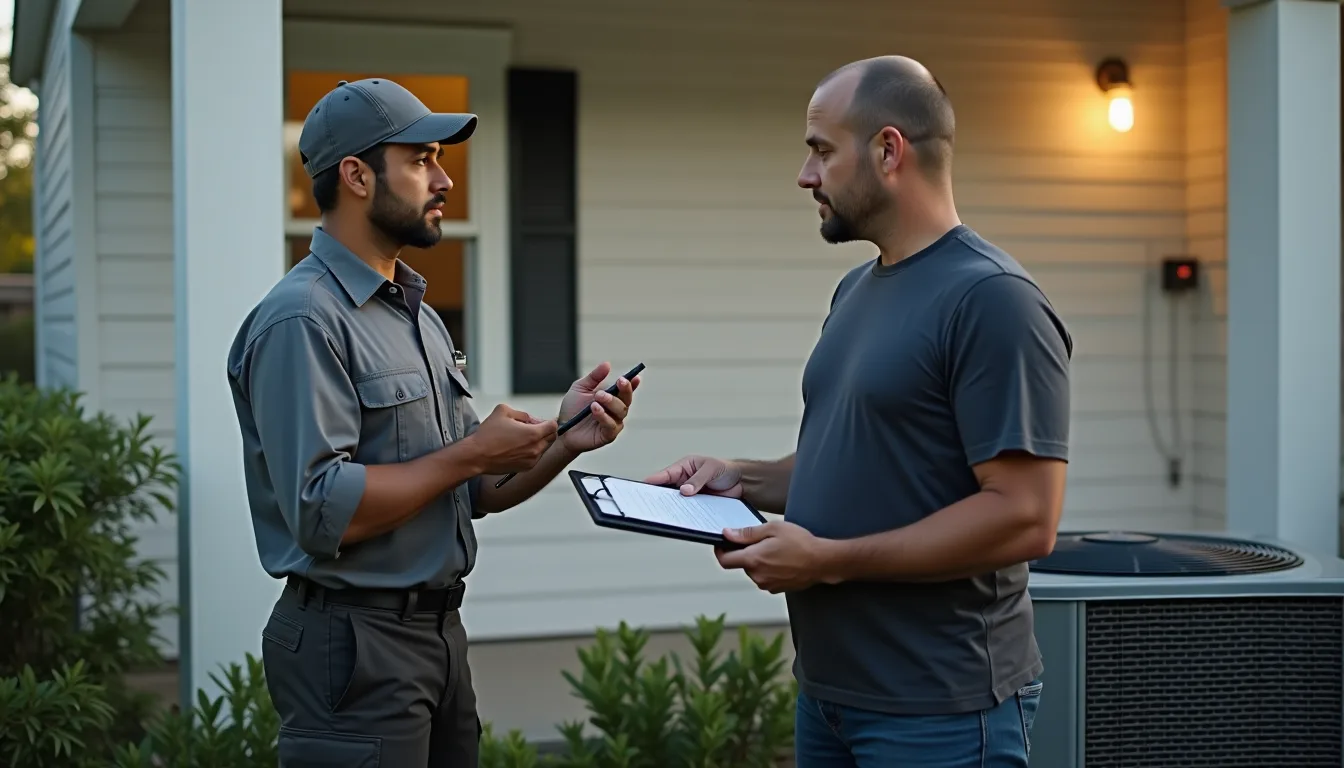
How to Troubleshoot Basic HVAC Problems in Your Hollywood Home
Published: 2026-04-28 · By GreatCold AC Repairs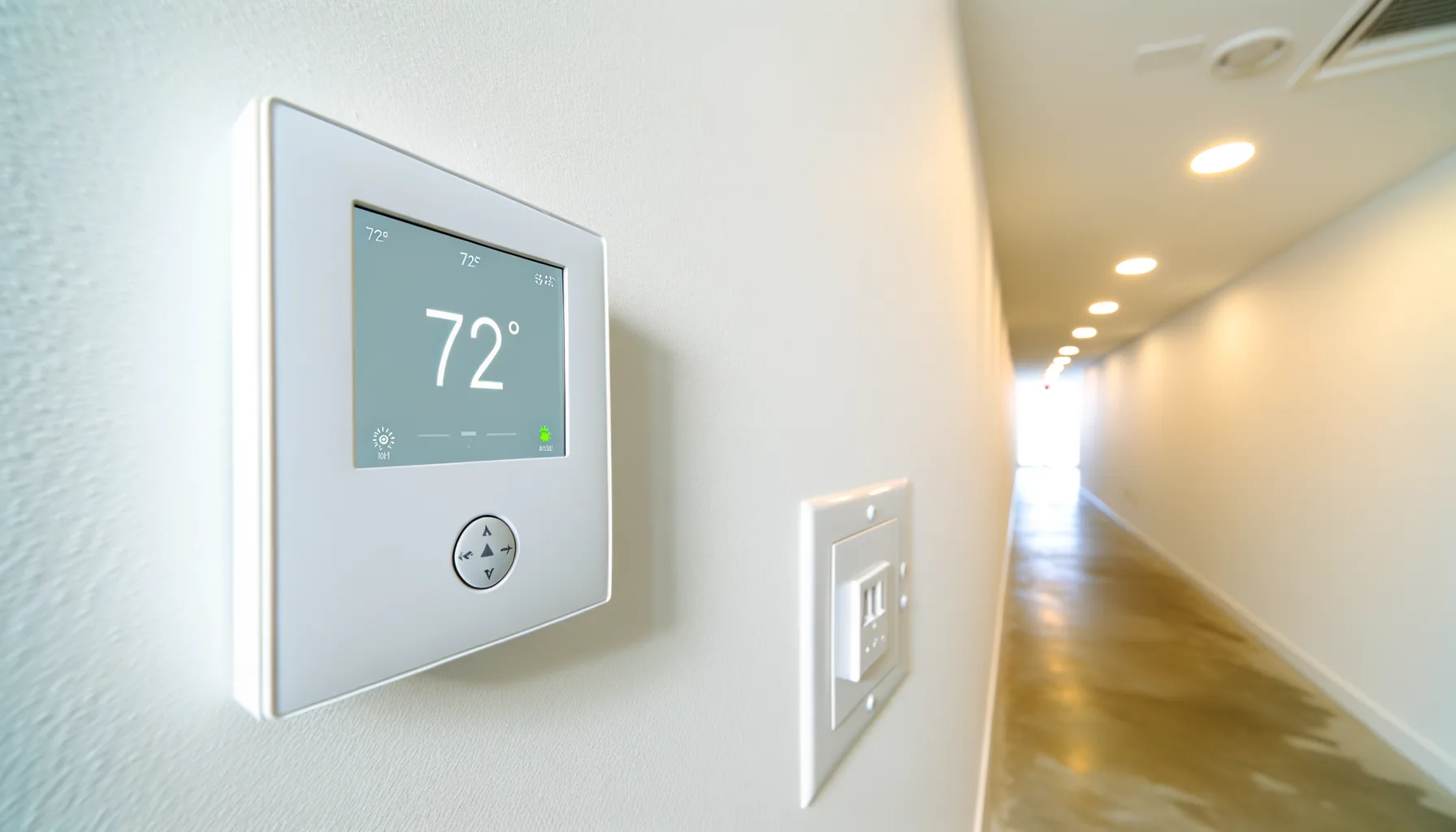
As a homeowner in Hollywood, FL, you know the stunning sunrises over the Atlantic can be quickly followed by the sweltering heat and humidity that our tropical climate is known for. Picture this: it’s mid-July, a summer storm is rolling in, and suddenly your air conditioning unit sputters and dies. With humidity levels often exceeding 70%, this situation can feel more like a nightmare than an inconvenience. It’s essential to understand how to troubleshoot your HVAC issues so you can keep your home comfortable, safe, and protected from unnecessary damage.
Why This Matters for Hollywood Homeowners
For homeowners in Hollywood, dealing with HVAC problems can lead to more than just discomfort; improper cooling can also foster mold growth and moisture-related damage in homes specifically designed with elevated structures and moisture barriers. Given our local climate, where high humidity meets salt air, these systems endure unique stressors. Clogged filters and malfunctioning thermostats can throw off your cooling system's efficiency and lead to repairs that, if addressed early, can save you hundreds.
Moreover, with tropical storms often hitting our coastal town, an HVAC unit operating at half-capacity can struggle when you need it most. If your air conditioning unit is older, the salt air can lead to corrosion, compounding these issues over time. In fact, many homeowners overlook simple maintenance steps that could prolong the life of their system and reduce overall energy bills.
Failure to attend to HVAC problems promptly can escalate into costly repairs or even necessitate a full system replacement. Regular maintenance checks and understanding basic troubleshooting can make all the difference.
Expert Solutions & Actionable Tips
1. Check Your Air Filters
One of the simplest ways to maintain HVAC efficiency is to regularly inspect and replace air filters. In coastal areas like Hollywood, air filters can accumulate dirt and salt particles quickly. Replace a standard pleated air filter every 1-3 months. Filter costs usually range from $10 to $30 each, depending on type. This small investment goes a long way in elongating system lifespan.
When replacing, ensure you select a filter suitable for coastal climates, which can filter out more particulates, providing cleaner air and better efficiency.
2. Inspect Your Thermostat Settings
Is your air conditioning unit running but not cooling effectively? It could be a simple thermostat issue. Ensure it is set correctly, ideally under 76°F during peak summer to maximize efficiency. If you notice discrepancies, the thermostat might need recalibration or replacement.
A new programmable thermostat can cost between $100 to $300, assisting in maintaining your desired temperature more efficiently, while also allowing you to control your system remotely.
3. Clear the Condensate Drain
Clogged condensate drains are common, especially in a humid climate where excess moisture accumulation can occur. Check the drain pan regularly for signs of water. If it's blocked, you can typically clear it using a wet/dry vacuum or a plumbing snake. A professional technician will charge about $75-$150 for this service.
Maintaining clear drainage helps prevent mold growth and prevents potential water damage to your home.
4. Examine the Outdoor Unit
Your outdoor unit needs proper ventilation to operate efficiently. Ensure it is free from debris such as leaves, dirt, and salt buildup that can affect performance. If it seems dirty, you can gently rinse it with a garden hose (ensure the unit is off before doing this).
This simple action can help maintain efficiency and lower energy consumption, saving roughly 5-15% on your monthly utility costs.
5. Watch for Unusual Noises
Pay attention to any strange noises coming from your HVAC system. Banging, rattling, or hissing sounds may signify loose components or refrigerant leaks. Depending on the issue, repairs may cost anywhere from $100 to $800.
Addressing these noises early can prevent larger, more costly repairs down the line.
6. Check for Air Leaks
Air leaks can significantly affect your system’s efficiency, causing cool air to escape and outdoor air to come in. Inspect windows and doors for drafts, and caulk or weatherstrip as needed. Sealing leaks can save up to 20% on cooling costs each month.
Prioritize areas near your HVAC unit for potential leakage, which commonly occurs in older homes and can lead to excessive load on your cooling system.
Hollywood Climate & Local Context
Hollywood’s unique climate features high humidity levels and occasional storms, making it essential for homes to have robust HVAC systems equipped for such challenges. Our local building codes often require elevated home designs to mitigate flooding, but these structures still necessitate effective HVAC solutions to combat prevalent moisture in the air. Many homes need additional barriers like reinforced ductwork and corrosion-resistant materials to endure our environment.
Moreover, salt air exposure significantly contributes to equipment corrosion, which is a crucial consideration when choosing HVAC systems. Regular maintenance and inspections tailored to these local conditions can ensure that systems continue functioning properly and safely throughout the year.
When to Call a Professional
Knowing when to tackle HVAC issues yourself versus when to call a professional can be pivotal in maintaining your comfort and asset integrity. Many homeowners can handle basic tasks, but certain situations require expert attention.
- Insufficient airflow despite a functioning unit
- Repeated cycling of the system
- Foul odors emanating from vents
- Leakage around the unit
- Older systems (over 15 years old)
- Thermostat malfunctions that don’t resolve
- Cooling inefficiencies or unexpected spikes in energy bills
Each of these red flags can signal underlying issues that may escalate if ignored. In Hollywood, delays often mean higher repair costs, especially before storm season.
Frequently Asked Questions
How often should I service my HVAC system?
In Hollywood, servicing your HVAC system at least once a year is vital, ideally before peak summer or hurricane season to ensure optimal performance.
What are the signs of a failing AC unit?
Signs include uneven cooling, strange noises, and increased energy bills. If you notice these, it’s best to call GreatCold AC Repairs to assess the situation.
Can I replace my air filter myself?
Absolutely! Homeowners are encouraged to replace air filters regularly, typically every 1-3 months in humid climates like ours, which helps maintain efficiency and air quality.
Are there benefits to upgrading my thermostat?
Yes! Upgrading to a programmable thermostat can lead to better energy management and cost savings by allowing you to schedule cooling operations around your routines.
What should I do if my HVAC system leaks water?
Shut off your system immediately to prevent further damage, and contact a professional, such as GreatCold AC Repairs, to address the issue safely.
Get Expert HVAC Service in Hollywood
If you're facing HVAC challenges in your Hollywood home, don’t hesitate to reach out to the experienced team at GreatCold AC Repairs. Our professionals are prepared to provide the expert assistance you need to keep your home comfortable and safe.
Call us today at (954) 852-8005 for prompt and reliable service tailored to our local conditions.